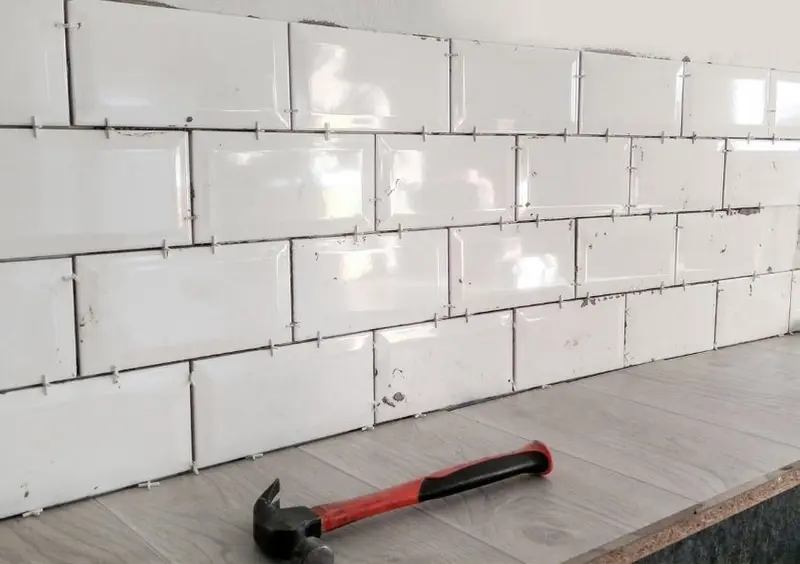
Tiling over old tiles or removing them
Tiling over existing tiles saves on demolition and mess, but only works when the old tiles are firmly bonded, level and sound. Every layer raises the floor, which can affect door clearances, skirting and the step between rooms.
If any old tiles sound hollow, are cracked or are lifting, the safer approach is to remove them back to the screed. In many 1970s–1990s Pretoria homes, original floors have been tiled over before, so another layer may not be wise.
Screed, levelness and large-format tiles
Tiles follow whatever is beneath them. An uneven screed leads to lippage, where tile edges sit at different heights, and to hollow spots where adhesive doesn't make full contact.
Large-format tiles are especially sensitive because a long, rigid tile can't bend to follow dips. They usually need a flatter substrate, sometimes a self-levelling compound, and back-buttering to get full coverage.
Porcelain or ceramic, adhesive and grout
Porcelain is denser and absorbs less water than ceramic, so it suits floors, wet areas and outdoors. Ceramic is lighter and easier to cut, which makes it a common choice for walls. Each needs an adhesive suited to the tile, the substrate and whether the area is wet.
Cement-based grout is standard for most rooms, while epoxy grout resists stains and water better in showers and kitchens but is harder to apply.
Movement joints and cracked or hollow tiles
Pretoria's large day-night temperature swings make building movement noticeable. Tiled floors need flexible movement joints around the perimeter, at doorways and across large areas, filled with sealant rather than grout. Without them, stress builds up until tiles crack or lift.
Tap a tile with a coin: a hollow ("drummy") sound means it isn't fully bonded, usually from poor adhesive coverage, a dusty screed, missing movement joints or slab movement. A few loose tiles can be relaid if spares can be found; large hollow areas are better retiled.
Laminate, vinyl and engineered wood flooring
Laminate, vinyl and engineered wood are warmer underfoot than tile and quicker to lay in bedrooms, studies and living areas. Laminate and click vinyl, including rigid SPC planks, float over an underlay, while glue-down vinyl is bonded directly to a smooth, prepared screed. Engineered wood can be floated or glued, depending on the product.
All of them need a level, clean and dry subfloor. Concrete slabs, especially on ground floors, can hold moisture that damages laminate and lifts glue-down vinyl, so the slab should be moisture tested and a damp-proof underlay used where the manufacturer specifies.
Floating floors also need an expansion gap around the edges, hidden under the skirtings, so the boards can move. Laminate and most wood products aren't suited to wet areas unless rated for them, and tile still makes more sense in bathrooms and on patios.
Outdoor patio tiles and slip resistance
Patios and pool surrounds need low-absorption tiles with a textured surface that grips when wet. Polished tiles that look good indoors can be dangerously slippery outside during summer storms. A slight fall away from the house helps rainwater drain off, and exterior-rated adhesive and grout handle sun exposure.
Uncovered patios take full sun and storm water, so movement joints and drainage need even more care there than indoors.
Tiling & Flooring: common questions
Can I just regrout instead of retiling?
If the tiles are firmly bonded and undamaged, regrouting can refresh a shower or floor considerably. The old grout is raked out to a consistent depth and new grout packed in. It won't help tiles that are already hollow or cracked.
How much extra tile should I buy?
Ask the contractor, since wastage depends on the layout, tile size and number of cuts. Keep a few spare tiles from the same batch, because shades can vary between batches and matching later is difficult.
Can laminate or vinyl go over my existing tiles?
Often, if the tiles are firmly bonded and flat. Deep grout lines may need filling for glue-down vinyl, and the extra height can mean trimming doors and fitting threshold strips between rooms.
Do shower walls need waterproofing behind the tiles?
Tiles and grout aren't fully waterproof on their own. A waterproofing membrane behind and beneath the tiles in showers protects the wall and floor, and the ideal time to apply it is during retiling, while the substrate is exposed.
Can floors be tiled while I live in the house?
It's possible if the work is done room by room, but expect dust, noise and rooms being out of use while adhesive and grout cure. Tiling kitchens and passages takes more planning.
Areas
Enquiries for tiling & flooring are referred across Pretoria East and Centurion, including:
Related services
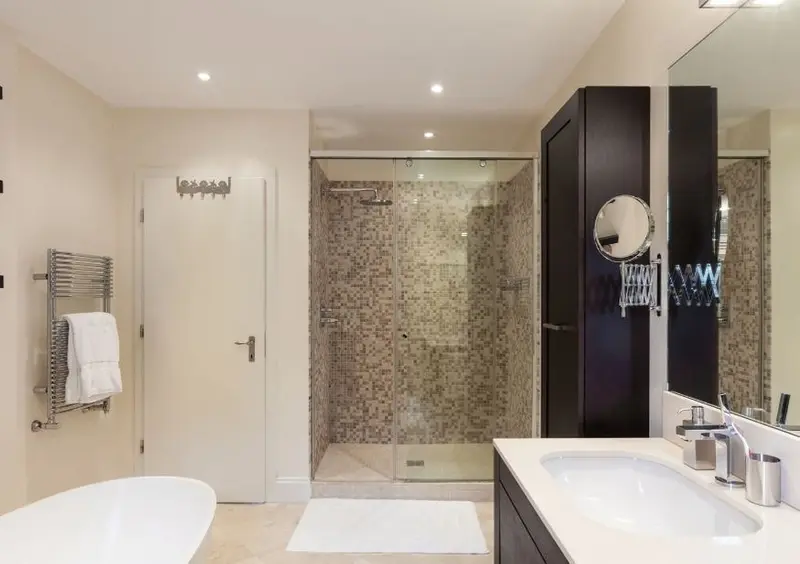
Bathroom Renovations
Bathroom updates and full renovations, from layout planning and shower waterproofing to tiling, fittings and bath-to-shower conversions.
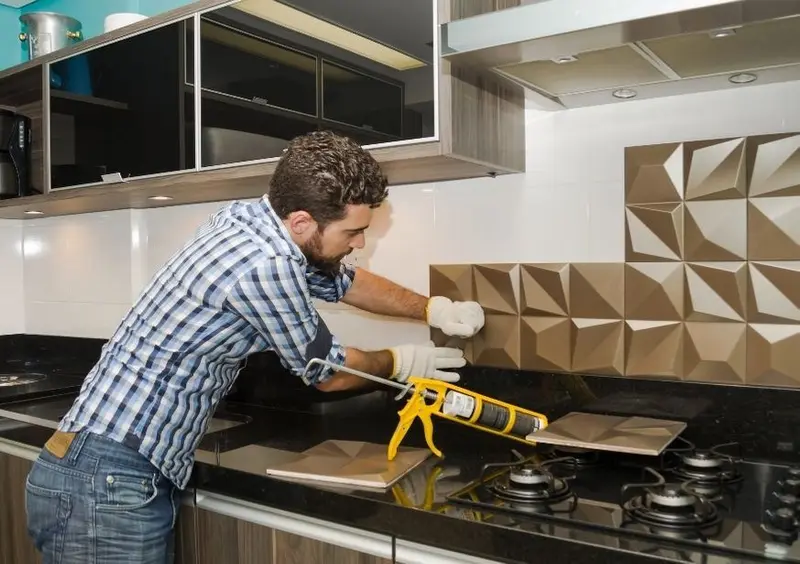
Kitchen Renovations
Kitchen refreshes and full remodels, including cupboard doors, worktops, splashback tiling and layouts planned around how you cook.
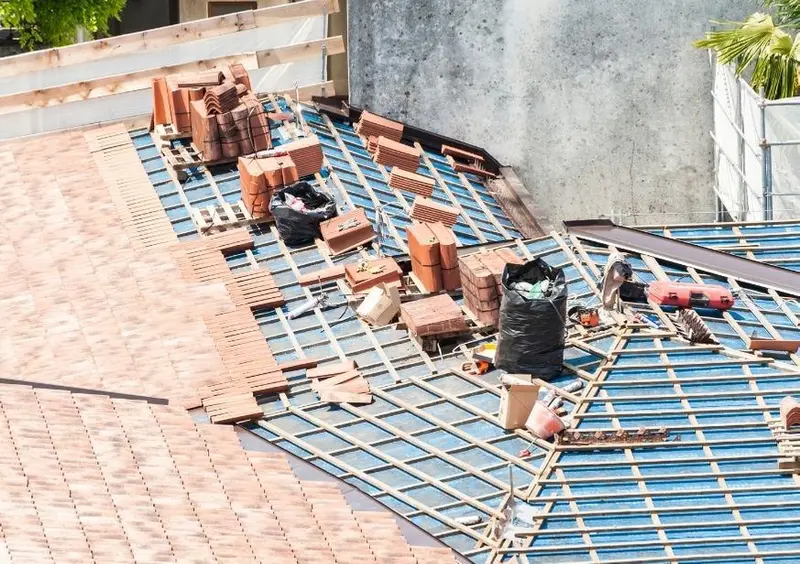
Roof Repairs & Waterproofing
Roof leaks traced and repaired on tiled, IBR and flat concrete roofs, plus torch-on waterproofing, gutters, fascias and damp walls.