Finding a roof leak: why the stain is often far away
Water travels along roof slabs, sheets, purlins and the top of ceiling boards before it drips, so a stain can appear several metres from where the water gets in. Tracing the true entry point is the first part of any roof leak repair, and patching the spot directly above the stain often misses it.
Wind direction matters too. A gap under a flashing or capping may only let water in when a storm drives rain sideways, which is why some roofs leak in one storm and not the next. For a stubborn leak, a water test helps: one area of the roof is wetted at a time while someone watches inside.
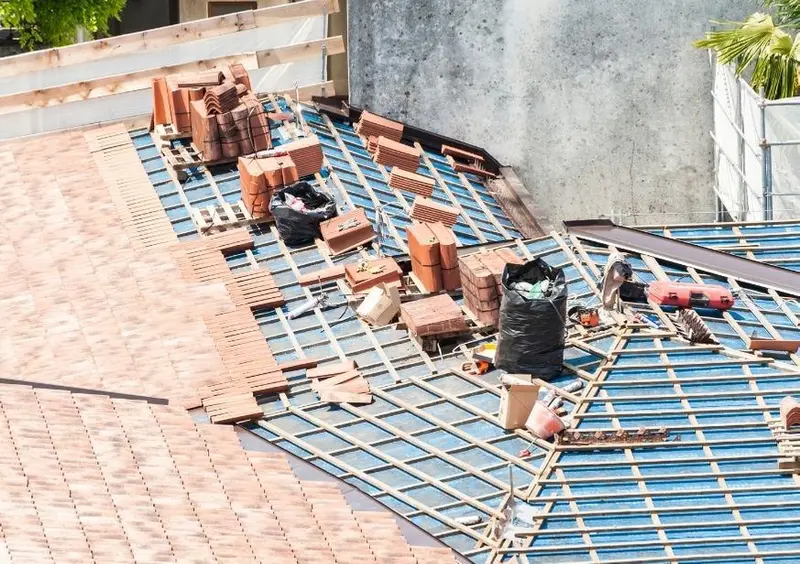
Pitched tiled roofs: tiles, ridge cappings and valleys
Concrete and clay tiles crack when they are walked on, hit by hail or knocked by branches, and they slip when nails or clips fail. A single broken tile can let enough water through to mark a ceiling, so replacing it with a matching profile is usually the first step.
Ridge and hip cappings are bedded in mortar that shrinks and cracks with strong UV and big day/night temperature swings. Loose cappings are lifted, re-bedded and pointed so they sit firmly. Valleys, where two slopes meet, carry a lot of water in a storm, and debris, rusted valley flashing or tiles cut too short can push water under the tiles.
IBR and corrugated roof sheets, and flashings
On IBR roof sheets and corrugated iron, most leaks start at the fixings. Screws loosen as the sheets expand and contract, and rubber washers perish in the sun, leaving small holes that drip in heavy rain. Laps, where one sheet overlaps the next, rust from trapped moisture.
Depending on condition, the fix may be new screws and washers, treating and sealing the laps, or replacing sheets that have rusted through. Flashings, which seal the joint where a roof meets a wall, chimney or higher roof, are checked at the same time. When they lift or lose their sealant, water runs down inside the wall and surfaces somewhere unexpected.
Flat concrete roofs, parapet walls and box gutters
Flat-roof homes with parapet walls are common in Pretoria, and they depend entirely on the waterproofing layer and good drainage. Water ponding in low spots, blocked outlets and cracked parapet copings are the usual weak points.
Parapets often leak where the wall meets the slab, or through the top as water soaks down into the wall, so roof waterproofing should cover the full upstand and the coping, not just the flat area. Box gutters hidden behind parapets overflow straight into the building when blocked or rusted, and benefit from a lining and regular clearing.
Older flat roofs may carry several layers of past repairs. Before new waterproofing goes on, loose or blistered layers are usually removed, the surface cleaned and primed, and ponding areas screeded to fall towards the outlets.
Torch-on waterproofing versus liquid membranes
Torch-on waterproofing uses bitumen membrane sheets heat-bonded to the roof with overlapping seams. It is durable on flat concrete roofs but needs a sound, dry surface, careful detailing at upstands and outlets, and safe handling of the flame.
Liquid or acrylic systems are brushed or rolled on, usually with a reinforcing fabric between coats. They suit awkward shapes and smaller areas and are easier to recoat, but need the specified number of coats to reach proper thickness, and some have a reflective topcoat that slows UV damage. Either system can fail if surface preparation is poor.
Gutters, downpipes and fascias
Highveld thunderstorms dump a lot of water in a short time. Gutters blocked with leaves, sagging off their brackets or running the wrong way to the outlet overflow against walls, causing damp and washing soil away from foundations.
Gutter work may involve cleaning, realigning brackets so water falls to the outlets, resealing joints, or replacing damaged sections and downpipes, which should discharge away from the walls. Timber fascias and barge boards rot when gutters overflow or paint fails, and a soft fascia can't hold gutter brackets securely, so it makes sense to check both together.
Balconies, showers and damp walls
Tiled balconies over living space and shower floors need a membrane under the tiles, carried up the walls and sealed around drains. Fixing a leaking one properly usually means lifting the tiles, waterproofing the substrate and retiling, as surface sealers rarely cure it.
Damp walls need the right diagnosis, because each type has a different fix and more than one can be at work in the same room.
- Rising damp: a tide mark low on walls with flaking paint and salts, often where the damp-proof course has failed or soil or paving is banked up against the wall
- Rain penetration: patches at any height after rain, usually from parapets, cracks, window sills or gutters
- Condensation: mould and droplets in bathrooms and bedrooms, worse in winter and linked to poor ventilation rather than a leak
Hail, timing, safety at height and specialist roofs
After a hailstorm, photograph the damage from the ground and from inside the roof space if it's safe, and contact your insurer before repairs start, as many want to assess the claim first. Temporary covering to keep water out is usually acceptable. Inspections booked in the dry months before the November to March storm season are less rushed, and membranes need dry surfaces to bond.
Roof work is not a DIY job. Old tiles and fibre-cement or translucent sheets can break underfoot, and falls from roofs cause serious injuries, so leave it to someone with the right ladders and safety equipment.
Thatch, slate and structural problems such as sagging trusses or rafters need specialists or an engineer. The contractor will tell you whether they handle that kind of work.
Roof Repairs & Waterproofing: common questions
Can a few broken tiles be replaced without retiling the whole roof?
Usually, yes, if matching tiles can be found. Older profiles may be discontinued, in which case tiles are sometimes taken from a less visible slope or a close match is used.
Should old IBR sheets be repaired or replaced?
If the rust is limited to screws and a few laps, repair is usually sensible. When many sheets are rusted through or brittle, replacing sections or the whole roof may make more sense over time, and the contractor can explain the options after inspecting.
How often should gutters be cleaned?
At least once before the summer rains, and more often if trees overhang the roof. Gutter guards can help in leafy gardens but still need occasional checking.
Will painting with a waterproof paint stop rising damp?
No. Sealing the surface usually traps moisture so it rises higher or pushes the paint off. Rising damp needs the cause addressed, such as lowering soil levels or a new damp-proof course.
Will the ceiling need repairs after the leak is fixed?
Often, yes. Water-stained boards may dry and only need sealing and painting, but sagging or soft boards should be replaced. Leave ceiling repairs until the leak is confirmed fixed after a good rain.
My complex's roof is leaking into my unit. Who handles it?
In sectional title schemes the roof is often common property, so report it to the body corporate or managing agent first, as they normally arrange or approve the work. In freehold estates, the HOA may also have rules on roof colours and materials.
Areas
Enquiries for roof repairs & waterproofing are referred across Pretoria East and Centurion, including:
Related services
Home & Property Maintenance
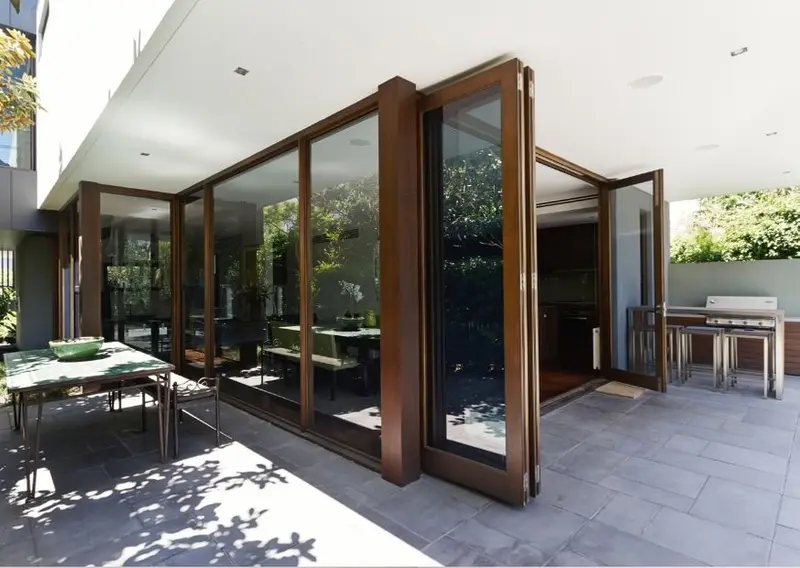
Seasonal upkeep, plaster cracks, sticking doors, sliding doors and window frames, plus rental turnarounds and complex maintenance.
Ceilings & Drywall
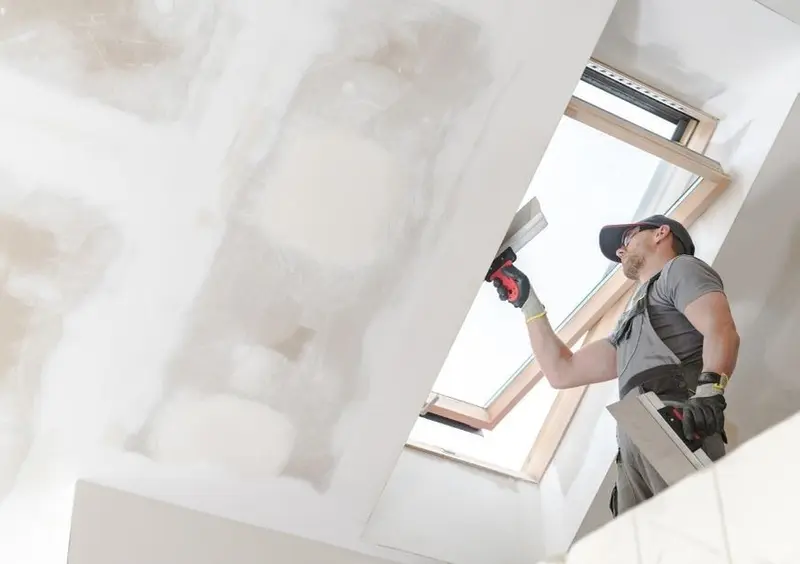
Stained or sagging ceiling boards, cornices, new ceilings and bulkheads, drywall patching and non-load-bearing partitions, finished ready for paint.

Painting
Interior and exterior painting with proper preparation, crack repair and the right finish for each room and wall.